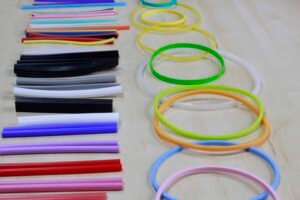
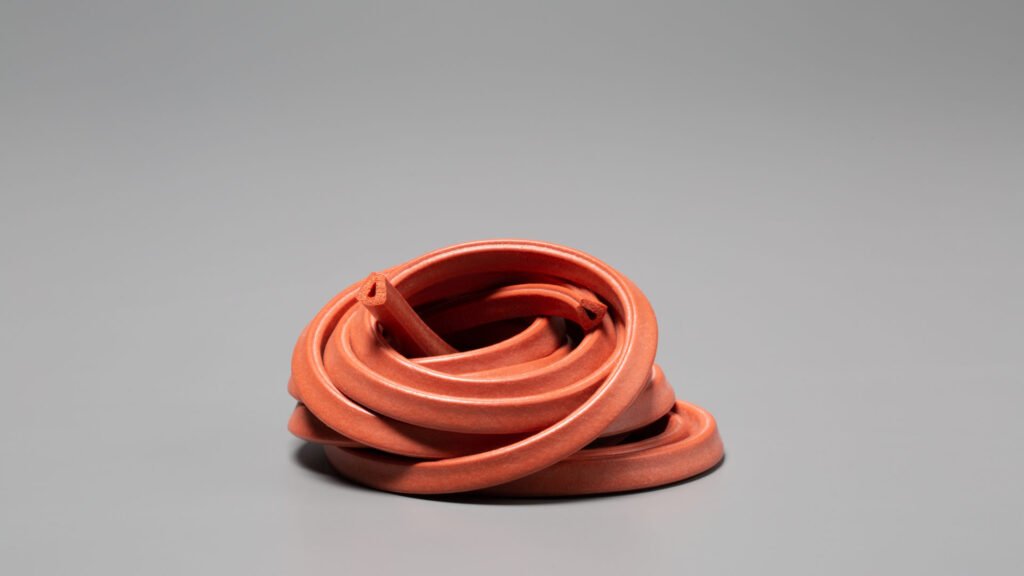
Silicone seals, also known as silicone O-rings or gaskets, are critical components in various industries due to their unique properties and versatility. From automotive to food processing, silicone seals play a vital role in ensuring leak-proof, durable, and safe operations. This article will explore the characteristics, benefits, and common applications of silicone seals
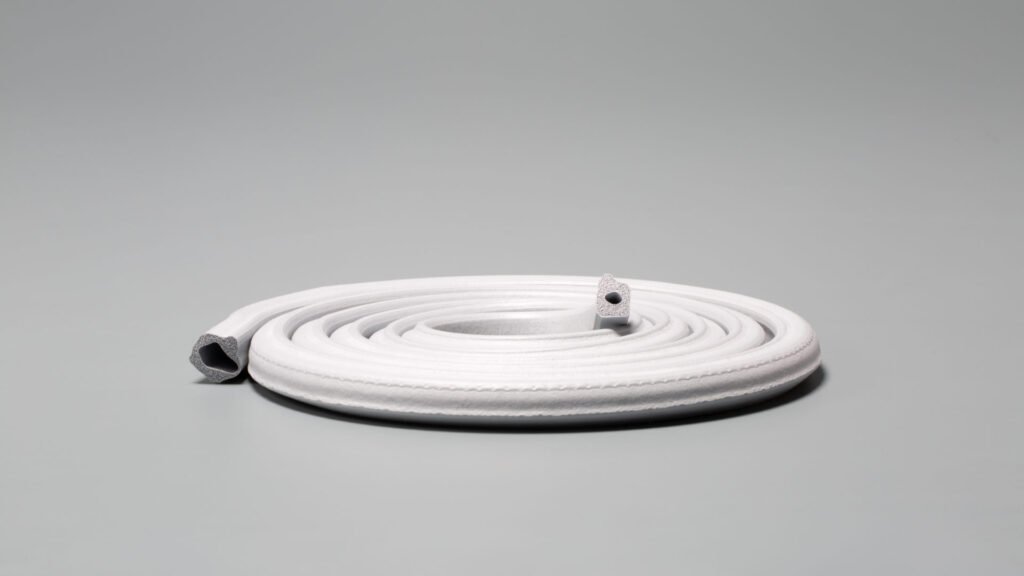
Key Characteristics of Silicone Seals
1. Temperature Resistance
One of the most notable characteristics of silicone seals is their exceptional temperature resistance. Silicone can withstand a wide temperature range, typically from -60°C to 230°C (-76°F to 446°F). This makes silicone seals suitable for both high-temperature applications, such as in automotive engines, and low-temperature environments, such as in refrigeration systems.
2. Chemical Resistance
Silicone seals are highly resistant to a variety of chemicals, including oils, solvents, and acids. This chemical resistance ensures that silicone seals maintain their integrity and performance even when exposed to harsh substances, making them ideal for use in industrial and chemical processing applications.
3. Flexibility and Elasticity
Silicone seals possess excellent flexibility and elasticity. They can easily conform to different shapes and surfaces, providing a reliable and tight seal. This flexibility is crucial for applications that require frequent assembly and disassembly, as the seals can return to their original shape without permanent deformation.
4. Durability and Longevity
Silicone is known for its durability and long lifespan. Silicone seals can endure repeated use, exposure to environmental factors, and mechanical stress without significant wear or degradation. This durability translates to cost savings for businesses, as the seals do not need to be replaced frequently.
5. Non-Toxic and Food-Safe
Food-grade silicone seals are non-toxic and safe for direct contact with food and beverages. These seals comply with FDA and other international safety standards, ensuring that no harmful chemicals leach into consumables. This makes silicone seals an excellent choice for food processing, pharmaceutical, and medical applications.
6. Water and Moisture Resistance
Silicone seals are highly resistant to water and moisture. Their hydrophobic nature prevents water absorption, ensuring that the seals maintain their performance in wet or humid environments. This characteristic is particularly beneficial for applications in plumbing, marine, and outdoor equipment.
7. UV and Ozone Resistance
Silicone seals exhibit excellent resistance to UV radiation and ozone. This resistance prevents the seals from becoming brittle or cracking when exposed to sunlight or ozone-rich environments. As a result, silicone seals are ideal for outdoor applications and equipment exposed to the elements.
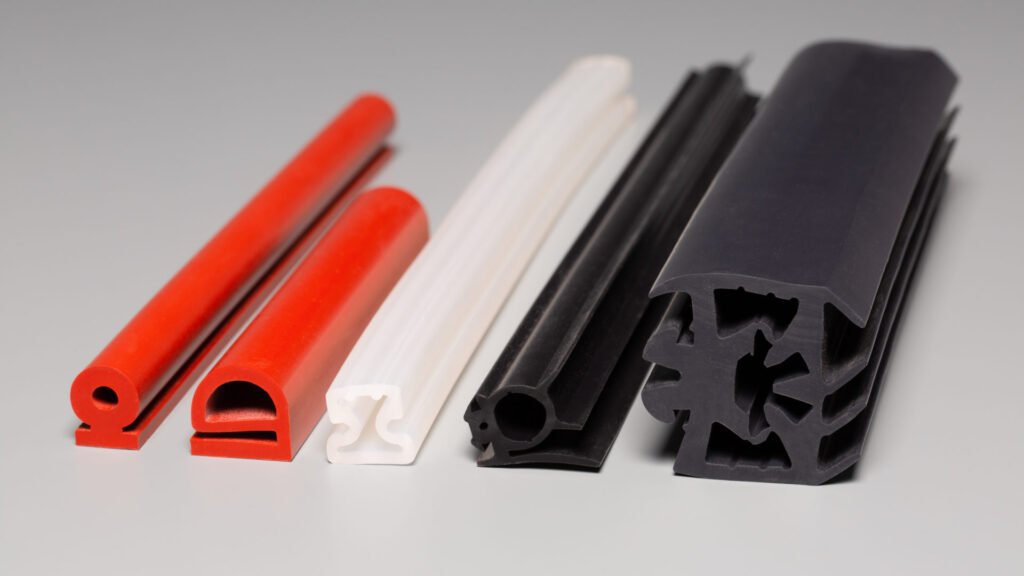
Benefits of Using Silicone Seals
1. Enhanced Performance
The combination of temperature resistance, chemical resistance, and flexibility ensures that silicone seals deliver superior performance in a wide range of applications. They provide reliable sealing solutions that prevent leaks, contamination, and mechanical failure.
2. Versatility
Silicone seals are versatile and can be used in numerous industries, including automotive, aerospace, food and beverage, pharmaceuticals, and electronics. Their adaptability to different environments and conditions makes them a preferred choice for diverse applications.
3. Cost-Effectiveness
While silicone seals may have a higher initial cost compared to other materials, their durability and longevity result in cost savings over time. Reduced maintenance, fewer replacements, and minimized downtime contribute to overall cost-effectiveness.
4. Safety and Compliance
Food-grade silicone seals ensure safety and compliance with regulatory standards. This is crucial for industries where product purity and consumer safety are top priorities. Using silicone seals helps businesses meet stringent health and safety requirements.
5. Ease of Installation
The flexibility and elasticity of silicone seals make them easy to install and remove. This ease of installation reduces labor costs and minimizes the risk of damage during assembly or disassembly processes.
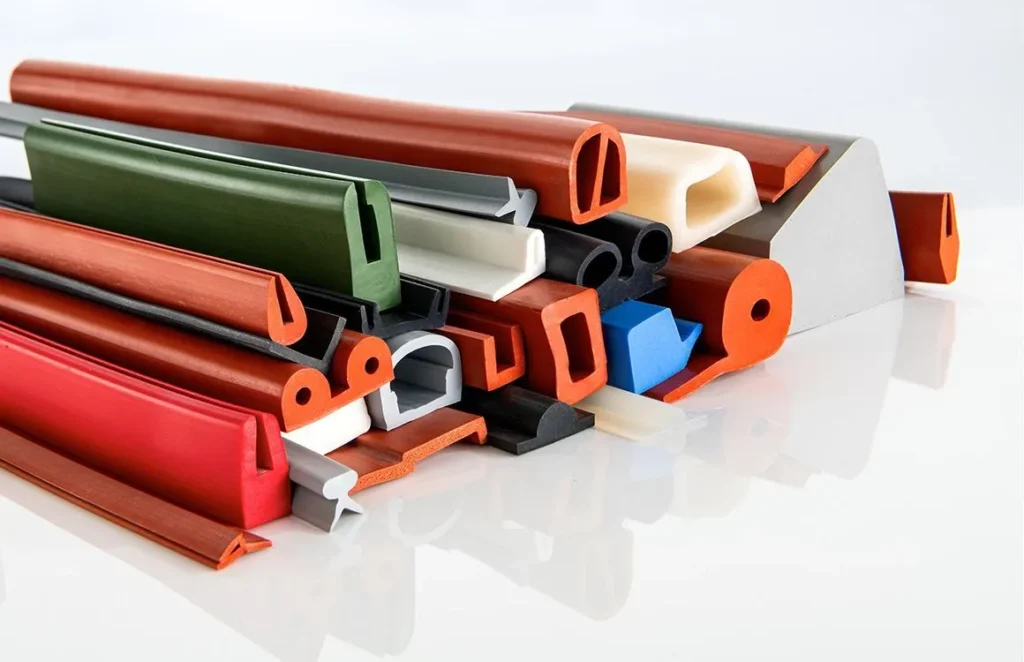
Common Applications of Silicone Seals
1. Automotive Industry
In the automotive industry, silicone seals are used in engines, transmissions, and braking systems. Their temperature resistance and durability ensure reliable sealing in high-performance and high-stress environments. Silicone seals help prevent oil and coolant leaks, contributing to the overall efficiency and safety of vehicles.
2. Food and Beverage Industry
Food-grade silicone seals are essential in the food and beverage industry. They are used in processing equipment, packaging machinery, and storage containers to ensure product purity and safety. Silicone seals prevent contamination and maintain the quality of food and beverages.
3. Pharmaceutical and Medical Industry
In pharmaceutical and medical applications, silicone seals are used in medical devices, drug delivery systems, and laboratory equipment. Their non-toxic and biocompatible properties ensure that they do not interfere with medical processes or compromise patient safety.
4. Aerospace Industry
Silicone seals are utilized in the aerospace industry for their ability to withstand extreme temperatures and environmental conditions. They are used in aircraft engines, fuel systems, and cabin pressurization systems to ensure reliable performance and safety.
5. Industrial and Chemical Processing
In industrial and chemical processing, silicone seals provide reliable sealing solutions for equipment exposed to harsh chemicals and high temperatures. They help maintain the integrity of processing systems and prevent leaks, ensuring efficient and safe operations.
6. Electronics Industry
Silicone seals are used in electronic devices and components to protect against moisture, dust, and environmental contaminants. Their insulating properties and resistance to environmental factors make them ideal for sealing electronic enclosures and connectors.
Conclusion
Silicone seals are indispensable components in various industries due to their exceptional characteristics and benefits. Their temperature resistance, chemical resistance, flexibility, durability, and safety make them a preferred choice for numerous applications. From automotive and aerospace to food processing and pharmaceuticals, silicone seals provide reliable and efficient sealing solutions that enhance performance, safety, and cost-effectiveness.
For businesses seeking high-quality silicone seals, choosing a reputable supplier is crucial. Ensuring that the seals meet industry standards and are manufactured to precise specifications will result in optimal performance and longevity. By understanding the unique characteristics and benefits of silicone seals, businesses can make informed decisions and achieve superior results in their operations.