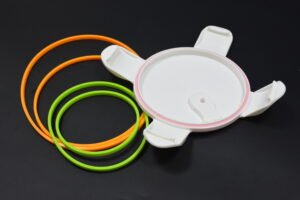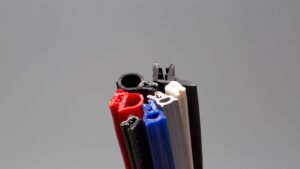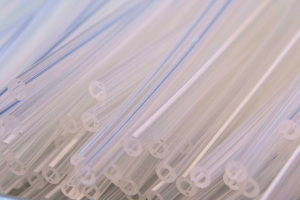
Silicone O-rings are among the most widely used sealing components in various industries, including automotive, aerospace, electronics, healthcare, and food processing. Known for their excellent sealing capabilities, these O-rings provide numerous advantages that make them a preferred choice in challenging environments. Here, we will explore the key benefits of silicone O-rings and why they are such an essential component for many applications.
1. Excellent Temperature Resistance
One of the most significant advantages of silicone O-rings is their ability to withstand extreme temperatures. Silicone rubber can function effectively in a wide temperature range, typically from -60°C to 230°C (-76°F to 446°F), with some high-performance grades extending beyond this range. This makes silicone O-rings ideal for applications where temperature fluctuations are common, such as automotive engines or industrial machinery.
2. Chemical and Environmental Resistance
Silicone O-rings are highly resistant to various chemicals, oils, and solvents, which ensures their durability and longevity in harsh environments. They exhibit excellent resistance to oxidizing chemicals, ozone, and UV radiation, making them suitable for outdoor applications and environments where chemical exposure is a concern. Unlike other materials, silicone does not degrade or break down when exposed to these elements over time, maintaining its performance even under prolonged exposure.
3. Flexibility and Elasticity
Silicone O-rings are known for their excellent flexibility and elasticity, which allows them to provide reliable seals even under high pressure or movement. Their low compression set ensures that the O-rings return to their original shape after being compressed, providing a long-lasting seal. This is particularly beneficial in dynamic sealing applications, such as valves, pumps, or moving parts in machinery, where consistent sealing is critical.
4. Biocompatibility and Safety
One of the unique benefits of silicone O-rings is their biocompatibility, making them an excellent choice for medical, pharmaceutical, and food processing applications. Silicone is non-toxic, odorless, and tasteless, which ensures that it does not interfere with sensitive products or environments. Platinum-cured silicone, in particular, is widely used in medical devices, as it meets stringent safety and regulatory standards for biocompatibility, making it safe for contact with human tissue or medical fluids.
5. Wide Range of Hardness and Customization
Silicone O-rings can be manufactured in a variety of hardness levels (measured in Shore A), allowing them to meet the specific requirements of different applications. Whether a soft, flexible seal is needed or a harder, more rigid seal, silicone can be tailored to meet those needs. Additionally, silicone can be colored or customized in terms of size and shape, offering flexibility in design and manufacturing.
6. Electrical Insulation
Silicone has excellent electrical insulating properties, making silicone O-rings a perfect choice for applications where electrical insulation is required. In the electronics industry, these O-rings are often used as seals or gaskets in electronic devices, ensuring protection against moisture or dust while also preventing short circuits due to their insulating properties.
7. Hydrophobic Properties
Silicone O-rings are naturally hydrophobic, meaning they repel water and other liquids. This property enhances their performance in sealing applications involving liquids, as they provide effective resistance against water, steam, and other fluids. This characteristic makes silicone O-rings highly suitable for use in plumbing systems, automotive cooling systems, and other environments where water exposure is frequent.
8. Longevity and Durability
Silicone O-rings are designed to last, even under demanding conditions. Their resistance to environmental factors such as UV radiation, ozone, and oxidation means they do not degrade easily, leading to a longer lifespan compared to other materials. This durability translates into fewer replacements and less maintenance, making silicone O-rings a cost-effective solution for long-term sealing needs.
9. Low Toxicity and Food Safety
In addition to being biocompatible, silicone O-rings are also widely used in food processing industries due to their compliance with food safety regulations. Food-grade silicone O-rings are free from harmful chemicals, ensuring that they do not contaminate food products. These O-rings are often used in equipment such as pumps, mixers, and piping systems, where maintaining a safe and sanitary environment is critical.
10. Versatility Across Industries
Silicone O-rings’ versatile properties make them useful across a wide range of industries. In the automotive industry, they are used in engines and fuel systems. In the healthcare sector, they are commonly found in medical devices, syringes, and drug delivery systems. They are also essential in electronics, aerospace, and industrial manufacturing, offering reliable sealing solutions in diverse applications.
Conclusion
Silicone O-rings offer a unique combination of temperature resistance, chemical resistance, flexibility, biocompatibility, and durability, making them an ideal choice for many applications. Whether used in high-temperature industrial environments, sensitive medical devices, or food processing equipment, silicone O-rings provide reliable, long-lasting performance. Their ability to maintain a secure seal under challenging conditions ensures their continued demand across various industries.
In summary, the many advantages of silicone O-rings—ranging from their adaptability in extreme environments to their biocompatibility and food safety—underscore their importance in providing efficient sealing solutions. With their longevity, customization options, and broad range of applications, silicone O-rings remain a go-to choice for industries worldwide.
4o