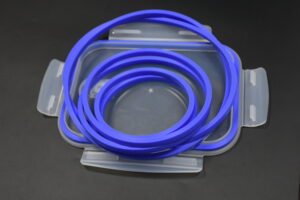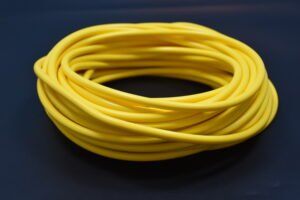
Silicone and rubber seals are essential components used across various industries, from automotive to healthcare. Their primary function is to create an impermeable barrier to protect against leaks and contaminants. While both materials serve this purpose effectively, they possess unique characteristics that make them suitable for different applications. This article explores the differences and advantages of silicone seals compared to ordinary rubber seals, providing an in-depth analysis to help you make informed decisions for your sealing needs.
Introduction to Seals
Silicone Seals
Silicone seals are made from silicone elastomers, which are polymers that exhibit rubber-like properties. These seals are renowned for their flexibility, durability, and resistance to extreme temperatures. They are commonly used in applications where high performance is required, such as in the medical, automotive, and food processing industries.
Rubber Seals
Rubber seals, often referred to as elastomeric seals, are made from various types of rubber, including natural rubber (NR) and synthetic rubber (e.g., nitrile rubber, EPDM, and neoprene). These seals are widely used in everyday applications due to their cost-effectiveness and reliable sealing capabilities. Rubber seals are typically used in less demanding environments compared to silicone seals.
Key Differences Between Silicone and Rubber Seals
Temperature Resistance
Silicone Seals
Silicone seals are highly resistant to extreme temperatures, ranging from -60°C to +230°C. This wide temperature range makes them ideal for applications that involve both high and low temperatures. Silicone seals retain their flexibility and sealing properties even under harsh temperature conditions, ensuring reliable performance.
Rubber Seals
Rubber seals, depending on the type of rubber used, have varying temperature resistance. For instance, natural rubber can typically withstand temperatures between -50°C and +70°C, while nitrile rubber (NBR) can endure temperatures from -30°C to +120°C. EPDM rubber has a broader range, from -50°C to +150°C. However, none of these can match the high-temperature resistance of silicone seals.
Chemical Resistance
Silicone Seals
Silicone seals exhibit excellent chemical resistance, making them suitable for applications involving exposure to aggressive chemicals and solvents. They are resistant to many acids, bases, and oils, ensuring long-term durability in chemical processing, automotive, and food and beverage industries.
Rubber Seals
Rubber seals have varying degrees of chemical resistance based on the type of rubber used. For example, nitrile rubber is resistant to oils and fuels, making it suitable for automotive applications. EPDM rubber is resistant to water, steam, and some chemicals, making it ideal for use in water-based systems. However, rubber seals generally do not offer the same broad-spectrum chemical resistance as silicone seals.
Flexibility and Elasticity
Silicone Seals
Silicone seals are known for their superior flexibility and elasticity. They can stretch and compress without losing their shape or integrity, making them ideal for dynamic applications where movement or vibration is involved. This flexibility ensures a consistent seal even under varying conditions.
Rubber Seals
Rubber seals also offer good flexibility and elasticity but can be prone to degradation over time, especially when exposed to harsh environmental conditions. The degree of flexibility can vary based on the type of rubber. For instance, natural rubber is very flexible but less durable, while synthetic rubbers like EPDM and nitrile offer better durability but may not match the flexibility of silicone.
Durability and Longevity
Silicone Seals
Silicone seals are highly durable and resistant to environmental factors such as UV radiation, ozone, and weathering. They maintain their properties over a long period, making them ideal for outdoor and long-term applications. Silicone’s resistance to aging and degradation ensures that seals remain effective and reliable throughout their lifespan.
Rubber Seals
Rubber seals can be durable but are more susceptible to environmental degradation compared to silicone. Natural rubber, for instance, can degrade quickly when exposed to UV light and ozone. Synthetic rubbers like EPDM and neoprene offer better resistance to these factors but may still not match the longevity of silicone seals in harsh environments.
Biocompatibility
Silicone Seals
Silicone is biocompatible, meaning it is non-toxic and hypoallergenic. This property makes silicone seals suitable for medical and healthcare applications, including implants, medical devices, and equipment that come into contact with the human body. Silicone’s biocompatibility ensures patient safety and reduces the risk of allergic reactions.
Rubber Seals
Rubber seals, particularly those made from natural rubber, can cause allergic reactions in some individuals. While synthetic rubbers can be less allergenic, they generally do not match the biocompatibility of silicone. Therefore, rubber seals are less commonly used in medical applications compared to silicone seals.
Cost
Silicone Seals
Silicone seals are typically more expensive than rubber seals due to the cost of raw materials and the manufacturing process. However, their superior properties, such as temperature resistance, chemical resistance, and longevity, can justify the higher cost in applications where performance and reliability are critical.
Rubber Seals
Rubber seals are generally more cost-effective, making them an attractive choice for applications where budget constraints are a consideration. They provide reliable sealing capabilities at a lower cost, making them suitable for less demanding applications where the extreme properties of silicone are not required.
Advantages of Silicone Seals
Superior Temperature Resistance
Silicone seals can withstand a broader temperature range compared to rubber seals, making them ideal for applications involving extreme temperatures. This property ensures that silicone seals maintain their integrity and performance in both high-heat and low-temperature environments.
Excellent Chemical Resistance
Silicone seals offer outstanding resistance to a wide range of chemicals, including acids, bases, and oils. This makes them suitable for use in chemical processing, automotive, and food and beverage industries where exposure to harsh chemicals is common.
High Flexibility and Elasticity
The superior flexibility and elasticity of silicone seals make them ideal for dynamic applications involving movement or vibration. They can stretch and compress without losing their shape or integrity, ensuring a reliable seal under varying conditions.
Long-lasting Durability
Silicone seals are highly resistant to environmental factors such as UV radiation, ozone, and weathering. This ensures their long-term durability and effectiveness, making them suitable for outdoor and long-term applications.
Biocompatibility
Silicone’s biocompatibility makes it an ideal material for medical and healthcare applications. It is non-toxic, hypoallergenic, and does not support bacterial growth, ensuring patient safety and reducing the risk of allergic reactions.
Advantages of Rubber Seals
Cost-effectiveness
Rubber seals are generally more cost-effective compared to silicone seals, making them an attractive choice for applications where budget constraints are a consideration. They provide reliable sealing capabilities at a lower cost, making them suitable for less demanding applications.
Good Chemical Resistance
Certain types of rubber, such as nitrile and EPDM, offer good resistance to specific chemicals, making them suitable for applications involving exposure to oils, fuels, and water-based systems. However, their chemical resistance is generally not as broad as that of silicone seals.
Adequate Temperature Resistance
Rubber seals can withstand moderate temperature ranges, making them suitable for a wide range of applications. However, their temperature resistance is generally not as extensive as that of silicone seals.
Sufficient Flexibility and Elasticity
Rubber seals offer good flexibility and elasticity, ensuring a reliable seal in many applications. While they may not match the superior flexibility of silicone seals, they provide adequate performance in less demanding environments.
Applications of Silicone Seals
Medical and Healthcare
Silicone seals are extensively used in the medical and healthcare industries due to their biocompatibility, flexibility, and durability. Common applications include:
- Medical devices: Silicone seals are used in various medical devices, such as catheters, IV lines, and respiratory equipment, ensuring patient safety and comfort.
- Implants: Silicone is used in medical implants, such as breast implants and joint replacements, due to its biocompatibility and durability.
- Healthcare equipment: Silicone seals are used in healthcare equipment that requires sterilization and exposure to high temperatures.
Food and Beverage
Silicone seals are essential components in the food and beverage industry, ensuring safety and hygiene in various processes. Applications include:
- Food processing: Silicone seals are used in food processing equipment to prevent leaks and ensure hygiene.
- Packaging: Silicone seals are used in food packaging to maintain freshness and prevent contamination.
- Brewing and fermentation: Silicone seals are used for air transfer in brewing and fermentation processes, ensuring contamination-free operations.
Automotive
The automotive industry relies on silicone seals for their durability, heat resistance, and chemical resistance. Applications include:
- Engine components: Silicone seals are used in engine components to provide reliable sealing in high-temperature environments.
- Fluid transfer systems: Silicone seals are used for fluid transfer in automotive systems, ensuring durability and performance.
- Exhaust systems: Silicone seals are used in exhaust systems to withstand high temperatures and prevent leaks.
Industrial and Manufacturing
Silicone seals are widely used in industrial and manufacturing applications due to their heat resistance, chemical resistance, and durability. Common applications include:
- Chemical processing: Silicone seals are used for transferring aggressive chemicals in chemical processing plants.
- Machinery and equipment: Silicone seals provide reliable sealing solutions for industrial machinery and equipment, ensuring leak-free performance.
- HVAC systems: Silicone seals are used in HVAC systems to provide effective sealing and insulation.
Home Appliances and Consumer Products
Silicone seals are used in various home appliances and consumer products due to their safety, flexibility, and durability. Applications include:
- Kitchen appliances: Silicone seals are used in kitchen appliances such as ovens, refrigerators, and dishwashers for their heat resistance and durability.
- Personal care products: Silicone is used in personal care products such as baby bottles, pacifiers, and teething toys due